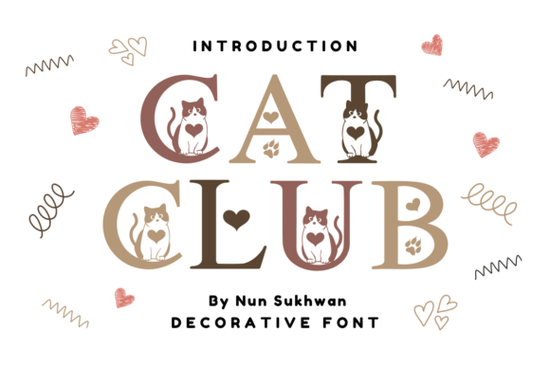
If you're looking for a friendly, relaxed handwritten font that works just as well on a handmade greeting card as it does on a printed mug or social media graphic, the Cat Club Font fits right in. It’s not overly stylized or hard to read just warm, approachable, and full of quiet personality. You’ll notice the slight variation in stroke weight and natural flow, like something written with a fine-tip marker or soft brush pen. That makes it ideal for projects where you want authenticity without sacrificing clarity.
When does Cat Club Font work best?
This font shines in personal, tactile, or small-batch contexts. Think: hand-lettered journal pages, custom birthday cards for cat lovers, minimalist shop signage for a cozy café, or even subtle text overlays on Instagram Stories. Because it’s designed with readability in mind not just flair it holds up well at smaller sizes (14–16pt) and pairs nicely with clean sans-serifs or soft serif companions.
It’s also a smart choice if you’re building a consistent brand voice that feels human and unhurried like a small stationery shop, an indie planner line, or a pet-themed Etsy store. Unlike some decorative fonts that fade into background noise, Cat Club stays legible while still carrying charm.
What kinds of projects can you actually use it for?
Here’s how real designers and makers are using it:
- Greeting cards & invitations especially for birthdays, baby showers, or “just because” notes
- Print-on-demand products mugs, tote bags, notebooks, and ceramic coasters where warmth matters more than sharp precision
- Social media graphics quote posts, weekly reminders, or behind-the-scenes studio updates
- Handwritten-style digital content blog headers, email newsletter banners, or Canva templates for creatives
- Small business signage chalkboard menus, window decals, or packaging labels for handmade goods
You don’t need design experience to get good results. Even beginners find it easy to layer over photos or pair with simple shapes no complicated kerning adjustments needed.
How does it compare to other popular handwritten fonts?
Cat Club sits comfortably between playful and polished. It’s less bouncy than Split Rose Flower Monogram Font, which leans more ornamental and floral great for wedding suites but less flexible for everyday use. It’s also quieter than Sun and Moon Magic Font, which adds celestial swirls and extra flourishes better suited to mystical or fantasy themes.
For school-related designs think classroom posters, student name tags, or back-to-school planners our collection of colorful back-to-school fonts offers more energetic options. But if your goal is gentle, inclusive, and quietly joyful? Cat Club lands just right.
Is it beginner-friendly for crafters and small shops?
Yes and here’s why: it includes standard Latin characters, numbers, and basic punctuation. No alternate glyphs or stylistic sets to learn. You install it like any other OTF/TTF font, and it shows up in Cricut Design Space, Silhouette Studio, Adobe apps, and free tools like Canva (via upload). No hidden learning curve.
Many print-on-demand sellers report strong customer response when using Cat Club on items like “Meow Monday” mugs or “Cat Lady Approved” notebook covers. It reads as sincere, not gimmicky something customers connect with emotionally, not just visually.
Where to find it and what’s included
The Cat Club Font is available on Creative Fabrica as a single-family download. You get both .OTF and .TTF files, plus a PDF guide showing recommended pairings and spacing tips. Commercial use is included so whether you’re selling 5 mugs or 500, you’re covered.
One thing to keep in mind: while it’s versatile, it’s not meant for long paragraphs or formal documents. Save it for headlines, short quotes, labels, and moments where tone matters more than density.
Before you download:
- Check your software supports OpenType fonts (most do)
- Test it at 24pt and 14pt to see how it scales for your intended use
- Try pairing it with a neutral sans-serif (like Montserrat or Inter) for contrast
- Look at how it renders on screen vs. printed proof if you’re doing physical products, always order a test run first
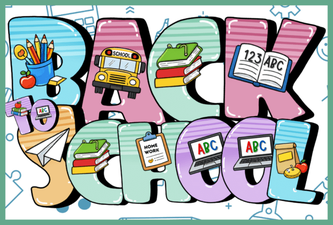 Creative Back to School Fonts for Classroom Projects
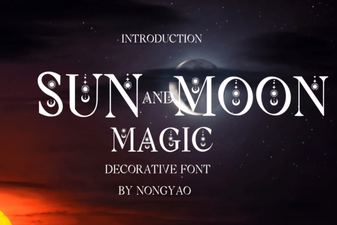 Craft Typography with Sun & Moon Symbol Magic
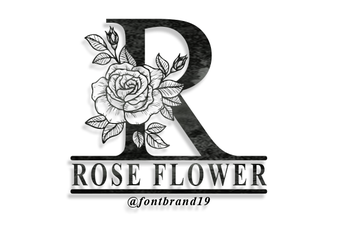 Rose Monogram Font: Split-Flower Design Projects
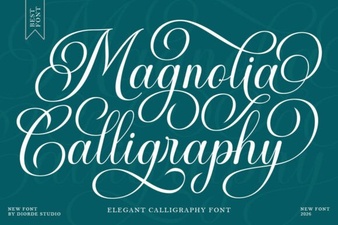 Magnolia Calligraphy Font for Elegant Design Projects
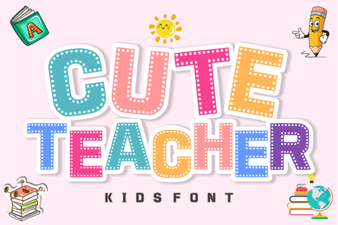 Free Download: Creative Cute Teacher Fonts
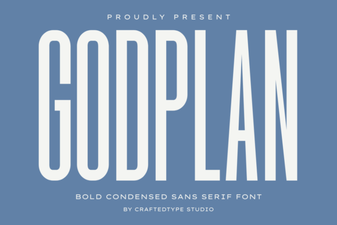 Godplan Font: Creative Typography for Modern Projects