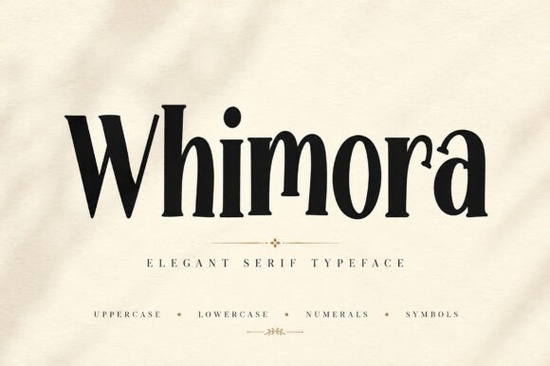
If you're looking for a serif font that feels both refined and approachable something that works just as well on a wedding invitation as it does on a luxury skincare label you’ll likely find Whimora Font fits naturally into your workflow. It’s not overly ornate, but it carries quiet confidence: clean lines, subtle contrast between thick and thin strokes, and letterforms that breathe well on the page. Designers who regularly work with high-end clients or create print-on-demand products often tell us they reach for Whimora when they need elegance without fuss.
When does Whimora work best?
Think about where serif fonts traditionally shine: in contexts where clarity, tradition, and polish matter. Whimora sits comfortably in that space but with a contemporary rhythm. It’s especially strong for:
- Luxury brand identities (think jewelry, boutique fashion, or artisanal beauty)
- Editorial layouts especially fashion or lifestyle magazines where tone and texture support storytelling
- Wedding stationery, from save-the-dates to ceremony programs
- Social media templates meant to feel elevated but not stiff (e.g., Instagram quote graphics or Pinterest pins)
- Product packaging for cosmetics, candles, or gourmet foods where shelf presence matters
Unlike some display serifs that sacrifice legibility at smaller sizes, Whimora maintains readability even at 12–14pt so it’s practical for business cards, labels, or fine-print footers, not just headlines.
How does it compare to other serif options?
Not every serif font suits the same project. If you’ve tried Typrighter, you know it leans more editorial and structured great for long-form text or newsy branding. Savage Roses brings a bolder, vintage-inspired flair, ideal for retro packaging or handcrafted goods with personality. Whimora
What’s actually included and what does that mean for your files?
The Whimora Font package includes uppercase and lowercase letters, numerals, and standard punctuation. That covers most everyday uses right out of the box. You won’t find alternate glyphs, stylistic sets, or multilingual support but that’s intentional. This is a focused, no-frills serif built for clarity and consistency, not complexity. If you’re preparing files for a printer or uploading to a POD platform like Printful or Redbubble, the straightforward character set means fewer hiccups during preflight checks.
Real-world tips for using Whimora well
Here’s what designers who use Whimora regularly tell us helps them get the most from it:
- Pair it thoughtfully: Try Whimora with a neutral sans-serif (like Inter or Montserrat) for body text it creates visual hierarchy without competing tones.
- Watch line spacing: Its generous x-height and open counters respond well to slightly increased leading, especially in dense layouts.
- Avoid over-kerning: The spacing is already tuned for elegance. Tweak only where needed like tight pairs (e.g., “To”, “Wa”) not across the board.
- Use it intentionally: Whimora shines brightest when given room to breathe. Avoid cramming it into tiny buttons or narrow banners.
It’s also worth noting that Whimora was designed with screen use in mind not just print. So if you’re building Canva templates, Notion dashboards, or email headers, it holds up cleanly at various resolutions.
Where to find it and what to know before downloading
You can get the full Whimora Font family directly on Whimora Font. It’s licensed for both personal and commercial use including unlimited sales of physical products (like mugs or greeting cards) and digital templates you sell online. Just keep in mind that you can’t resell or redistribute the font file itself, and it’s not licensed for use in apps or web fonts unless explicitly stated in the license terms.
If you're exploring serif fonts for a current project or building a small library for future client work Whimora is one of those quiet standbys that rarely lets you down. It doesn’t shout, but it commands attention through restraint and care.
Before you download: Check your design software supports OpenType (.OTF) files (most do), and test a few sample phrases in your intended size and medium especially if you’re printing on textured paper or using it in embroidery digitizing, where fine details may soften.
Get Started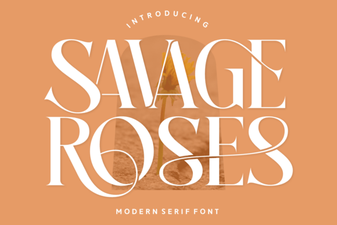 Download Savage Roses Font for Creative Designs
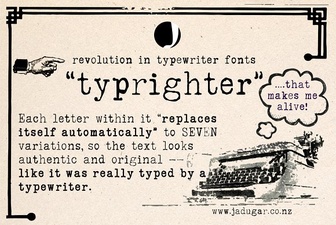 Typrighter: a Readable Font for Digital Designers
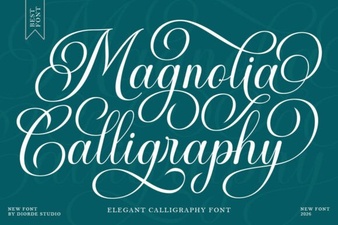 Magnolia Calligraphy Font for Elegant Design Projects
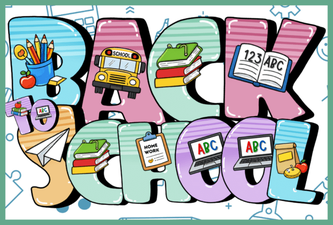 Creative Back to School Fonts for Classroom Projects
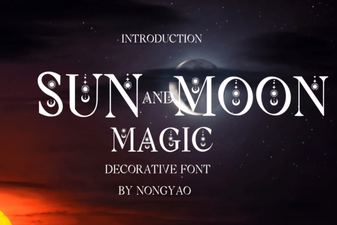 Craft Typography with Sun & Moon Symbol Magic
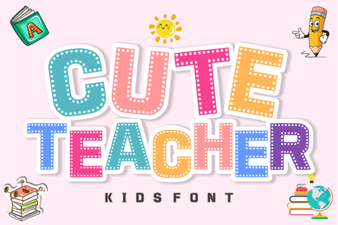 Free Download: Creative Cute Teacher Fonts